Car Rental Portugal vs Public Transport: Your Ultimate Guide
car rental Portugal vs public transport

Car Rental Portugal vs Public Transport: Your Ultimate Guide

Unsure how to explore Portugal? We break down car rental and public transport pros and cons to help you decide.

Plan Your Portuguese Adventure

Key Takeaways

  • ✓ Portugal's public transport is extensive in major cities but less so in rural areas.
  • ✓ Renting a car offers unparalleled flexibility for exploring off-the-beaten-path destinations.
  • ✓ Driving in Portugal includes tolls, which can add significant cost.
  • ✓ Parking can be challenging and expensive in popular urban centers.

How It Works

1
Define Your Itinerary

Outline your desired destinations, including major cities, coastal towns, and rural sites. This helps determine the necessity of a car versus public transport accessibility.

2
Calculate Costs

Compare potential car rental fees (including insurance, fuel, tolls, and parking) against train/bus tickets. Factor in potential time savings and convenience.

3
Assess Driving Comfort

Consider your comfort level with navigating foreign roads, manual transmissions, and potentially narrow city streets. Portuguese drivers can be assertive.

4
Book in Advance

Regardless of your choice, booking car rentals, train tickets, or intercity bus passes well ahead of time can secure better prices and availability, especially during peak season.

The Allure of Car Rental in Portugal: Freedom and Flexibility
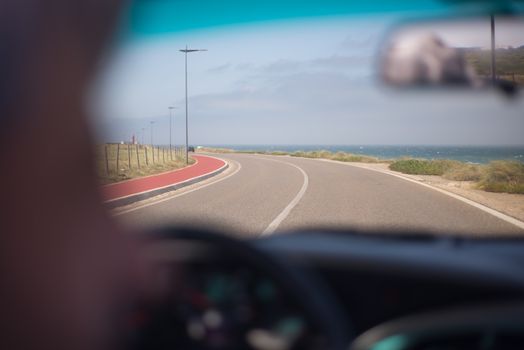
A scenic drive along the Portuguese coastline on a sunny day, viewed through a windshield. Photo: Kampus Production / Pexels
For many travelers, the idea of a Portuguese road trip evokes images of sun-drenched coastal drives, spontaneous detours to ancient villages, and the freedom to explore at their own pace. Renting a car in Portugal truly unlocks an unparalleled level of flexibility that public transport simply cannot match. Imagine discovering a hidden winery in the Douro Valley, pausing for an impromptu hike in the Peneda-Gerês National Park, or chasing the perfect sunset along the Algarve coast without being constrained by bus schedules or train routes. This autonomy is particularly appealing for those planning to venture beyond the well-trodden tourist paths, allowing you to immerse yourself deeper into the country's diverse landscapes and rich culture. You can pack as much luggage as you need, make multiple stops, and change your plans on a whim, adapting your journey to your mood or new discoveries. Planning your Portugal trip with a car also makes it easier to access remote attractions like the stunning slate villages of the Schist Villages or the historical sites scattered throughout the Alentejo region, which are often poorly served by public transit. Families traveling with young children or individuals with specific accessibility needs often find car rental to be the most practical solution, providing a comfortable and private space for travel. Moreover, for those who enjoy photography or simply taking their time to soak in the scenery, a rental car means you can pull over at any picturesque viewpoint, linger as long as you like, and capture those perfect moments. However, this freedom comes with its own set of considerations, including navigating unfamiliar roads, understanding local traffic laws, and budgeting for fuel, tolls, and parking. It's crucial to weigh these factors against the benefits of absolute independence to determine if car rental aligns with your travel style and expectations. The joy of a self-driven adventure through Portugal is undeniable, offering a personalized experience that can transform a good trip into an unforgettable one.

Navigating Portugal with Public Transport: Efficiency and Local Immersion

Portugal's public transport system, particularly within and between its major cities, is remarkably efficient, affordable, and often a more sustainable way to travel. For those whose itinerary focuses on Lisbon, Porto, Coimbra, and the main coastal towns, relying on trains, buses, metros, and trams can be an excellent choice. The rail network, operated by Comboios de Portugal (CP), connects most significant urban centers with comfortable and relatively fast services. High-speed Alfa Pendular trains link Lisbon and Porto in under three hours, offering a relaxing journey where you can enjoy the scenery without the stress of driving. Regional and intercity buses, provided by various companies like Rede Expressos and FlixBus, fill in the gaps, reaching smaller towns and villages that trains might not serve directly. Within cities, extensive metro systems (Lisbon, Porto), tram networks (especially iconic in Lisbon), and local buses provide comprehensive coverage, making it easy to get around without needing a car. Opting for public transport also offers a unique opportunity for local immersion. You'll be traveling alongside residents, experiencing daily life, and perhaps even picking up a few Portuguese phrases. It eliminates the worries of parking, tolls, and navigating unfamiliar streets, allowing you to focus purely on enjoying your destination. Furthermore, it's often the more budget-friendly option, especially if you purchase multi-day passes or book intercity tickets in advance. Consider the environmental impact as well; choosing public transport significantly reduces your carbon footprint compared to individual car travel. While it might require more planning and adherence to schedules, the trade-off is a less stressful, potentially more authentic, and often more economical travel experience. For travelers who prefer not to drive abroad, or those prioritizing cost savings and environmental consciousness, Portugal's public transport system presents a robust and reliable alternative, ensuring you can still reach many of the country's incredible sights. The convenience of being dropped off right in the city center, avoiding parking woes, and simply enjoying the ride is a significant advantage for many. It encourages a slower pace of travel, allowing for greater appreciation of each stop along your journey.

See also: Rental Car Portugal.

Cost Comparison: Car Rental vs. Public Transport in Portugal

When deciding between car rental Portugal vs public transport, the financial aspect is often a major deciding factor. While public transport might seem inherently cheaper at first glance, a comprehensive cost analysis reveals a more nuanced picture. For car rental, you're looking at several components: the base rental fee, which varies significantly based on vehicle type, duration, and seasonality; mandatory insurance, which can add a substantial amount; fuel costs, which are higher in Europe than in the US; and perhaps most surprisingly, tolls. Portugal has an extensive network of toll roads, many of which use electronic systems (Via Verde) that can be confusing for foreigners. You'll often need to rent a transponder from your car rental company, incurring an additional daily fee plus the toll charges themselves. Parking can also be a significant expense, especially in popular cities like Lisbon and Porto, where street parking is scarce and garages are pricey. On the other hand, public transport costs generally include train or bus tickets, which can be quite affordable, especially if booked in advance or if you opt for regional passes. For example, a journey from Lisbon to Porto by high-speed train can cost anywhere from €20-€50, while a bus might be even less. Within cities, daily or multi-day passes for metro, bus, and tram are excellent value. However, if your itinerary involves many short, disparate trips to rural areas, piecing together public transport tickets might become cumbersome and less time-efficient, potentially making a car more cost-effective if you value your time highly. Group travel also shifts the calculus; splitting car rental costs among several people can make it competitive with individual public transport tickets. For a solo traveler or a couple sticking to urban centers, public transport often wins on pure cost. But for a family or a group of friends exploring remote areas, the per-person cost of a rental car, when all factors are considered, might be surprisingly similar, while offering far greater convenience. It's essential to meticulously estimate all potential expenses for both options based on your specific itinerary and group size to make the most informed decision. Understanding Portuguese travel costs is key to a smooth trip.

Practical Tips and Common Mistakes to Avoid

Choosing between car rental Portugal vs public transport requires careful consideration, and a few practical tips can significantly enhance your travel experience, whichever option you choose. One common mistake with car rental is underestimating the cost and complexity of tolls. Many modern Portuguese highways use electronic tolls with no manual booths. Ensure your rental car has a Via Verde transponder, or understand how to pay post-travel, as unpaid tolls can result in hefty fines. Another pitfall is neglecting to purchase adequate insurance. Standard rental insurance often has high deductibles; consider full coverage or check if your credit card offers primary rental car insurance. Be aware of Portugal's driving culture: drivers can be assertive, and city streets, particularly in older towns, are often narrow and winding. Parking in major cities is notoriously difficult and expensive; factor this into your daily budget and research parking garages in advance. For public transport users, a key tip is to purchase rechargeable travel cards, like the Viva Viagem card in Lisbon or Andante card in Porto. These offer cheaper fares than single tickets and can be topped up as needed. Booking intercity train and bus tickets in advance, especially during peak season, can secure better prices and guarantee a seat. Don't forget to validate your tickets before boarding trains or buses to avoid fines. While public transport is extensive, it has limitations, particularly for accessing very remote beaches, hiking trails, or tiny villages; research these specific routes carefully. Always carry some cash, as smaller establishments or local buses might not accept cards. Finally, regardless of your transport choice, travel insurance is highly recommended for any international trip to cover unexpected events. Key Tips: * **Car Rental:** Understand tolls, get good insurance, be prepared for narrow roads and parking challenges. * **Public Transport:** Use rechargeable cards, book intercity tickets early, validate all tickets. * **General:** Always carry cash, research specific routes, consider travel insurance.

Comparison

FeatureCar RentalPublic Transport (Urban)Public Transport (Intercity)
Flexibility & Freedom★★★★★★★☆☆☆★★★☆☆
Cost (Solo/Couple)★★★☆☆★★★★★★★★★☆
Cost (Family/Group)★★★★☆★★★☆☆★★★☆☆
Access to Rural Areas★★★★★★☆☆☆☆★★☆☆☆
Ease of Navigation★★★☆☆★★★★☆★★★★☆
Environmental Impact☆☆☆☆☆★★★★☆★★★★☆
Stress-Free Travel★★★☆☆★★★★☆★★★☆☆
Luggage Convenience★★★★★★★★☆☆★★★☆☆
Local Immersion★★★☆☆★★★★★★★★★☆

What Readers Say

"We rented a car for our two-week trip through Portugal, and it was the best decision. We could explore tiny villages in the Alentejo that public transport simply doesn't reach. The freedom to stop for photos whenever we wanted made the experience truly ours."

Sarah J. · Boston, MA

"For our city-heavy itinerary (Lisbon, Porto, Coimbra), public transport was perfect. The trains were clean and efficient, and the metro in Lisbon was so easy. Saved a ton on parking and felt very integrated with local life."

David L. · Seattle, WA

"Initially, I was worried about driving in Portugal, but renting a car allowed us to visit the Douro Valley and Algarve at our own pace. The GPS in the rental was a lifesaver, and we discovered so many hidden gems away from the crowds."

Emily R. · Chicago, IL

"We did a mix: public transport for city-to-city travel, then rented a car for three days to explore the Sintra-Cascais region. This hybrid approach worked really well, minimizing driving stress while still getting to see the more remote sites."

Michael T. · Denver, CO

"Traveling with two kids, the rental car was non-negotiable. We had all their gear, could stop for snacks or bathroom breaks easily, and never worried about fitting on crowded buses. It truly simplified our family vacation."

Jessica M. · Austin, TX

Frequently Asked Questions

Is driving in Portugal difficult for Americans?

Driving in Portugal can be challenging due to narrow streets in older towns, assertive drivers, and a prevalence of manual transmission cars. However, major highways are well-maintained. Familiarity with European road signs and a GPS are highly recommended. Many Americans find it manageable with a bit of caution.

Are tolls expensive in Portugal, and how do they work?

Tolls can add significant cost, especially on longer journeys. Portugal uses a mix of traditional toll booths and electronic-only tolls (Via Verde). It's highly advisable to rent a car with a Via Verde transponder from your rental company to simplify payment and avoid fines. Without one, you'll need to pay electronically at specific payment points or post offices days after use.

How do I buy public transport tickets in Portugal?

For urban transport (metro, bus, tram), purchase a rechargeable card (e.g., Viva Viagem in Lisbon, Andante in Porto) at metro stations or newsstands, then load it with money or passes. For intercity trains (CP) and buses (Rede Expressos, FlixBus), tickets can be bought online, at stations, or directly from the driver for some local bus routes. Booking online in advance is often cheaper for long-distance travel.

What's the average cost difference between car rental and public transport for a week in Portugal?

This varies greatly by itinerary and travel style. For a solo traveler focused on cities, public transport might cost €100-€200 for a week. A rental car for a week, including rental fees, full insurance, fuel, and tolls, could easily range from €350-€700+. For a family exploring rural areas, the per-person cost of a car might become comparable or even more convenient than multiple public transport tickets and transfers.

Is it feasible to explore the Algarve region solely with public transport?

While major towns in the Algarve (Faro, Lagos, Albufeira) are connected by train and bus, exploring the region's stunning hidden beaches, smaller villages, and hiking trails is significantly more challenging without a car. Public transport often requires multiple transfers and adheres to limited schedules, making spontaneous exploration difficult. A car offers far greater access and flexibility in the Algarve.

Who should definitely rent a car in Portugal?

You should definitely rent a car if you plan to visit multiple rural areas, explore national parks (like Peneda-Gerês or Serra da Estrela), travel with a family or large group, prioritize spontaneous detours, or have specific accessibility needs. It offers maximum freedom and convenience for off-the-beaten-path adventures.

Is public transport safe in Portugal?

Yes, public transport in Portugal is generally very safe and reliable. Major cities' metro systems, trains, and buses are well-maintained. As with any major city, be mindful of your belongings, especially on crowded trams or tourist-heavy routes, to prevent petty theft. Night travel on public transport is also generally safe.

Will Portugal's public transport network expand significantly in the coming years?

Portugal is continuously investing in its public transport infrastructure, particularly in urban areas and high-speed rail connections. There are ongoing projects to expand metro lines in Lisbon and Porto and improve regional rail services. While rural areas might see slower development, the trend is towards greater integration and efficiency, making public transport an increasingly viable option for travelers.

Deciding between car rental Portugal vs public transport hinges on your unique travel style, budget, and desired itinerary. Evaluate your priorities, use this guide to inform your choice, and embark on an unforgettable Portuguese adventure. Whether by road or rail, Portugal awaits your exploration!

Topics: car rental Portugal vs public transportPortugal travel optionsrenting a car in Portugalpublic transportation PortugalPortugal itinerary planning
Leo List
Brampton weed
Adultwork